
Clicky

Learn How to Become a Wedding Planner.

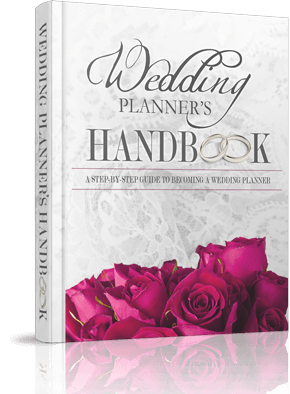
125-Page Handbook
Step-by-Step Career Guide
Instant PDF Download
Satisfaction Guaranteed

The weddingschooldecision to attend wedding planner school before you start a wedding planning business or begin searching for a wedding planning job is a very personal one.

Not everyone will be at the same stage in their careers and your set of financial, social, and mental circumstances won’t be exactly the same as anyone else.

You might think to yourself, “Well, of course I need to go to wedding planning school! How else will I survive?” These kinds of thoughts are normal, but the fact is the wedding planner school is not for everyone.

After reading this article, you’ll be better equipped to answer the most important of questions: “Should I go to wedding planner school?”

First, you need to ask yourself the following questions:

  • How much applicable experience and education do I already have?
  • Do I have the time and money to go to school before I begin working in the field?
  • Will my competition have attended wedding planner school?

Once you have answered those questions, it’s time to start digging into the specifics of this important decision.

Why You Might Not Need Wedding Planner School

If you already have a background in floral design, photography, videography or another vendor related wedding field, then you have a big reason to smile: you have come into the wedding planning business with a huge advantage over your competitors. The more weddings you have attended as a vendor, regardless of what your role was, then the more deeply you understand the wedding industry. The truth is that all vendors–from the florist to the DJ–have learned how to manage their clients, who are in a situation they have probably never practiced for and will probably never encounter again.

If you already have prior experience as a business-owner, you already have a huge advantage.

We all learn from our mistakes as well as the mistakes of others, so if you have some experience attending weddings, you have seen plenty of vendor mistakes or at least some situations you now know to handle differently because you witnessed someone else’s experience.

On top of that, the more weddings you have attended the more variations you’ve seen–different styles of ceremonies, décor, room layouts, food, music, etc. Right off the bat, this gives you a wider breadth of information to draw from and share with your brides, even with no prior wedding planning experience. It makes you ready to address problems when they occur and more familiar with all the details that need to be handled on the day of a wedding.

Even if you have owned a business in an unrelated field, this also counts as a head start. Any reputable wedding planner school will teach their students the basics of marketing, advertising, managing, and bookkeeping, but with your prior experience as a business-owner, you’ve already got most of that covered.

Here’s the point: if you already have prior business experience (on an executive level) and/or some experience in the wedding industry (as a vendor), you may not need to attend wedding planner school. This is not to say that you shouldn’t attend, but rather that you may already possess the primary skills and information that wedding planning schools will cover. As such, you might be able to save your money and instead opt to first get hired by an existing wedding planning company and work your way up.

Why You Might Need Wedding Planner School

Needless to say, if you are choosing wedding planning as a career choice upon high school graduation then taking some level of professional wedding planning courses would definitely be the next step for you! And luckily for you, becoming a certified wedding planner is much less labor intensive and capital intensive than most other professions. The Wedding Planning Institute offers not only a Wedding Planning Certification Course but also an Event and Wedding Design Course, Floral Design Courses, Certified Green Wedding Design Course and Certified Wedding and Event Instructor Course.

Another option would be to attend a local technical or community college and take hospitality and culinary arts courses while also attending wedding planning school. This would expand your career opportunities since many resorts and hotels expect their wedding/event planning staff to also work with their clients on menu selection. In fact, event/wedding planning positions are often categorized under hospitality or food and beverage when it comes to hiring.

If you plan to practice in a competitive market such as New York, Boston, or L.A., attending wedding planner school is crucial.

For those readers who are contemplating attending wedding planner school and who have no prior experience, consider this: your clients are just like you. They are regular people who probably don’t have unlimited budgets, and so they’re going to do their research before they decide on who is going to plan the most important day of their young lives. They’re going to want to know who you are and what your background is. They will begin with online research comparing numerous wedding planners event photos, bios and their credentials.

When you get a spare moment, do a quick search for local wedding planners in your area, and click on their bios. If they have been to wedding planner school, you can bet they will wisely market themselves as “Certified Wedding Planners,” since the completion of any wedding planner school is going to include Wedding Planner Certification. Your prospective clients are going to see this, too.

What do you want them to see when they click on your bio?

If the answer to that question is a proper wedding planning certification from an accredited wedding planner school, then you’ll want to read our overview of the Top 3 wedding planner courses available and compare their different features and pricing options. For now, we’ll offer a brief overview of two schools to give you an idea of what wedding planner school is all about.

What is Wedding Planner School Like?

There are numerous options for attending wedding planner school–none of which take more than a few months or cost more than $1,500. This is a paltry sum compared to what you’d need to spend achieving an MBA or doctorate degree!

One fine example of an accredited wedding planner school is the Penn Foster Career School. Penn Foster is approved by the Association of Bridal Consultants and is an online program which can be done at your own pace. The cost of this program is $609-$799 depending on whether you pay in installments or in advance.

Another school that is also approved by the Association of Bridal Consultants is the Wedding Planning Institute. They offer a variety of methods to obtain wedding planner certification and you can attend in a classroom setting at many local community colleges across the United States. These courses usually last approximately three months and many times even include an internship. WPI also offers an online course which costs $999-$1,500 depending on your choice of payment options and a self study option using workbooks which costs only $595 if paid in full.

Both the Penn Foster and the Wedding Planning Institute’s courses include the arranging, organizing and conducting of the various events leading up to the wedding as well as the wedding ceremony and reception itself. They also include the customs and traditions of different ethnic, religious and military ceremonies.

One of the most important areas both of these schools cover that many of the other less expensive schools do not are the business skills you’ll need to run your wedding planning company. You may know how to plan a wedding with your eyes closed, but if you can’t find a steady stream of paying clients or know how to effectively reinvest your profit back into your business, your company will struggle in spite of your skills. Upon completion of these courses you will have business templates, contracts, fee structures and business plans that will help jump start your wedding planning business.

Top tier wedding planning schools are indeed the full package.

Conclusion

So, is wedding planner school a necessity? Absolutely not. Is wedding planner school a huge benefit from a personal and business perspective? Absolutely. If you feel that you cannot afford attending school (especially after having to carry the financial burden of a four-year college education), you are not alone. Just know that you might need to work a bit harder to get your foot in the door. The wedding planning industry is a competitive one, but it is also growing at a magnificent rate, and it’s never been a better time to get started!

Wedding BrideAlthough it seems a simple question, the answer to “What Does a Wedding Planner Do?” changes with each and every client a wedding planner decides to work with.

This unpredictability is one of the main reasons the wedding planning field is so attractive for many. If you are the kind of person that enjoys a dynamic and unpredictable (but exciting!) working environment, becoming a wedding planner might be the perfect career for you.

So let’s get right down to it! The following is our summary of the primary duties and skills that wedding planners are responsible for, from Engagement to Honeymoon!

And it all starts with a simple conversation…

Initial Consultation

The initial consultation between the planner and the client serves to set the groundwork as to what the client is expecting from the planner and what the client is planning to do. The client may be the bride, the groom, the mother or father of the bride, the mother or father of the groom or any combination of these people. It is up to, you, the wedding planner, to figure out who your true client (or clients) will be, and thus whose opinion it is most important to take above all others. In most cases, this will of course be the bride.

When a wedding planner first meets with a client, the conversation should consist of simply explaining the packages available and briefly discussing the type of wedding the client wants. Typically, a wedding planner is hired for either Full Service or Day-of Coordination, and it is imperative that the planner fully explains to the client what is included in each of their packages.

Day of coordination involves taking care of all the logistical details of the wedding on the day of the wedding itself.

Full Service planning involves everything included in Day of Coordination plus a lot more, such as managing budget, vendors, venues, and all the nitty-gritty details that go into planning a wedding.

Remember that as a wedding planner, you should offer both of these services; the client will always let you know which of the two they need. A wedding planner will normally have a printed list of what is included in each of their packages; however, the needs of each client will still vary widely depending on the theme, venue, budget, vendors and personality of the client. Specific advice or vendor referrals should not be discussed until a contract is signed and the client pays a deposit.

So in order to know exactly what a wedding planner does, you’ll need to know the difference between both forms of wedding planning services.

We’ll start with the simplest of the two.

Day of Coordinator

Most brides have looked forward to their wedding day since they were little girls, and many refuse to let anyone else plan the details of their wedding other than themselves! Having said that, these brides also recognize that their wedding day should be about enjoyment and bliss, not stressing over every detail going according to plan and choreographing each segment of their wedding to perfection. In this case, they’ll need some help.

Since these brides have already taken care of all the pre-wedding preparations, and all they need is help on the day of their wedding, what they’ll be looking for is a Day of Coordinator. And of course, being the business-savvy wedding planner that you are, you’ll offer this service to your lucky brides!

So let’s go over exactly what is included as part of your duty as a Day of Coordinator.

Pre-Wedding

As a Day of Coordinator, your first responsibility will be to look over the contracts for each vendor the client has chosen to hire. You will then will contact the vendors approximately one week prior to the wedding and introduce yourself and ensure you have accurate day of contact information for each of them.

Don’t just settle for your vendors’ landline phone numbers. Be sure to obtain their cell numbers too, in case of an emergency.

To ensure a smooth wedding day, a wedding planner should create a detailed timeline incorporating the photographers timeline, DJ or band’s timeline and their own timeline for the entire duration of the wedding. The bride, groom, their families, the photographer and DJ should approve the timeline to ensure everyone is in sync. A copy should be handed out to everyone in the wedding party at the rehearsal, as well.

The wedding planner should ensure that everyone who is in the wedding party or will be escorted in to the ceremony attends the wedding rehearsal, if possible. The phrase “Day of Coordinator” is a bit of a misnomer as you will be in charge of the wedding rehearsal as well, which usually takes place one or two days before the wedding. This is your last chance to hammer out all the scheduling details with your bride and groom, so don’t be afraid to take control and ensure that everyone is on the same page.

Wedding Day

On the day of the wedding, the wedding planner should arrive at the venue early enough to supervise all vendor set-up and answer any questions that may arise. Planners should ensure that the bride, groom, DJ/band and photographer are all informed in advance of each event (grand entrance, first dance, cake cutting, garter toss, etc.).

The wedding planner should be the liaison between all the vendors and the bride/groom on the day of the wedding. This will enable the bride/groom to enjoy the day with their friends and family instead of having to chase after vendors. After all, that is why they hired you! It is the wedding planner’s duty and privilege to ensure that the client’s vision is implemented.

Once the time for the ceremony approaches the wedding planner should begin distributing the personal flowers and ensuring everyone is in place according to the timeline. They are responsible for ensuring each person in the wedding party (ushers, greeters, etc.) are fulfilling their responsibilities and that guests are being treated properly. Once it is time for the ceremony to begin the wedding planner (or their assistant) should be ready to queue the music and keep the processional flowing as planned.

After the ceremony is complete the wedding planner should ensure the guests are quickly ushered to the reception venue and the wedding party is at the appropriate place for photos to begin. This is one of the most crucial and overlooked segments of the wedding, but if executed correctly it will ensure a smooth and timely start to the reception. One of the skills you’ll need to possess as a wedding planner is the ability to keep the wedding moving according to the timeline but also knowing when to speed up or slow down.

You’ll learn to experience weddings as a kind of choreographed dance–all parts must move in sync and any acceleration or deceleration can disrupt the flow of the dance.

Wedding venues and vendors are typically very strict on scheduling, and delays of more than 15 minutes might not only result in angry venue managers, but also any applicable late fees associated with the venue. And guess who’s going to shoulder the blame for venue late fees? Yep, the wedding planner!

Wrapping up

And don’t think that your job is done after the guests and newlywed couple have exited the reception. Even after everyone clears out, planners should make sure all of the client’s personal property and wedding gifts are properly packed and secured in a vehicle, hotel room or storage room. Plan ahead and have your client recruit volunteers if there are a lot of items to be packed or stored.

Nothing ruins a honeymoon like finding out that all of the gift envelopes were stolen or that the expensive, rented flower vases were forgotten at the reception hall. Keep your brides happy and ensure that proper care is taken to conclude the event smoothly and responsibly. Even if you are not personally responsible for certain items to be taken care of, make sure that whoever is responsible for them hasn’t forgotten their duties. And there’s no need to memorize–you can write all of this down beforehand.

Full Service Planner

Of course, not all brides envision their wedding as Disney fairy tales, or perhaps they have but are too busy with their careers and just can’t be hassled with the details of planning their perfect wedding, so they’ll ask you to take care of them each step of the way. While you have the added luxury of commanding much higher prices for this level of service, this kind of wedding planning is a mammoth task to undertake. Luckily, the more experience you gain, the more streamlined and effortless your process will become.

As mentioned, Full Service wedding planning is comprised of everything included in Day of Coordination in addition to months of planning and perfecting prior to the big day.

Let’s get started!

Budget

In some way or another, the budget will affect every decision of the wedding. Very early in the planning stages, the wedding planner should initiate a detailed discussion with the client as to their budget for the wedding. Some clients will handle the budget themselves and some clients will want or need your assistance. Before considering any venues or making appointments with any vendors you must be certain that everyone agrees on the total budget for the wedding. You can waste a lot of your time and end up with a very upset and frustrated client by looking at venues or vendors that are not within their expected budget.

Despite its importance, don’t think the budget is set in stone, either. As the bride and groom evolve and change, so will their plans for their wedding. They may eventually realize that the wedding is too great of an expense and reduce their budget, or more commonly, they may realize that their dream wedding is going to cost more than they had realized and this will raise the budget. The wedding planner must keep up with these changing expectations and craft their proposals accordingly.

Venues

Once the budget is agreed upon, it is time to begin researching venues. Comparing venues can be one of the most complicated jobs a wedding planner has to do, but it is also where they can be provide the most value to their client. Each venue you are considering will probably include different rental items, price their food and beverage differently and may figure tax, tip and service charges at different rates.

Before you pull your hair out trying to compare venues, give each venue a call and ask if they have availabilities on your targeted wedding day. If a venue is not available for a specific date (or dates) then your job as a wedding planner just became a lot easier. This may upset the bride and groom, but your job as a planner is to provide the best possible options to your couples and being able to rule out a venue just speeds up the process of finding the venue that your couple will eventually agree on.

The sooner you rule out the wrong wedding venues, the quicker you’ll find the right one. Venues are often booked over a year in advance so don’t delay for too long!

It’s important to keep a sympathetic yet pragmatic approach with your couples.

Be careful to read venue contracts carefully! Booking the venue will often be the single greatest expenditure for most couples and even small differences in fine print can cost your clients thousands of dollars. Ask venues to hold a date while your clients make a decision and encourage them to decide quickly and pay a deposit as soon as possible. You never want to start looking for venues all over again because your client’s wedding date was taken the day before their deposit was received.

And yes, it has happened. And no, it’s not pretty!

Vendors

Once a venue and date is selected and confirmed with a deposit, it is time to begin selecting vendors. Just as is the case with venues, many of the best wedding vendors (photographers, videographers, florists, etc.) can book a year or more in advance. To ensure the best selection of vendors for your client you want to quickly begin booking appointments for vendors within your client’s budget and style.

Keep in mind your client’s personality and schedule when booking appointments. Some clients have a difficult time making decisions and can feel overwhelmed easily, so feed them vendors slowly. Give them time to consider each vendor and make a decision on each category before moving on to the next one. Other clients may only have a short period of time before going back to school or, if they are having a destination wedding, they might only be able to make one trip to the area. If this is the case then make all the appointments quickly and bunched together.

You can already see the challenges that go into being a wedding planner, but as mentioned previously, your task will become more more rewarding the more skilled you become.

Turning Magic Into Reality

After the venue and vendors are booked and secured, your client will need your help with everything else that makes a wedding the magical day they always envisioned.

Your client may want your assistance with the selection of the bride and bridal parties attire. This may include attending appointments at the bridal salon or simply giving your opinion on photos sent to you by email. It is a good idea to attend at least one appointment with the florist, since it will typically be up to you to distribute the corsages, boutonnieres, and bouquets to the bridal party and you will want to be familiar with the ceremony and reception décor as well. The client may want your opinion on the wedding cake, linen colors, food selections or the way in which the food will be served. All this while keeping the budget in the back of your mind!

So many details and we have not even mentioned the printed materials! I’m talking about the Save the Dates, wedding invitations, rehearsal dinner invitations, menus, place cards, programs and welcome letters. Even if your client does not require your help with all of these details you still should ensure they stay on track with getting everything done in a timely and cost-effective fashion.

Conclusion

Since every wedding will be entirely unique, the answer to the question, “What does a wedding planner do?” will never be entirely complete. But nevertheless, take away this message: your primary duty as a wedding planner is to satisfy the concerns that the bride had when she decided to look for a wedding planner. These concerns will always change, and that is OK. As long as you’re there to meet them, you’ve fulfilled your duty.

Despite the stress and pressure that comes with the territory, wedding planning can be a very lucrative and rewarding experience if done diligently and responsibly.

Go out there and remember to enjoy it! You’re playing a key role in making someone’s dreams come to reality.

How many people can say that about their careers?

Top 3 Wedding Planner Courses You Can Take Online

January 14, 2013

Weddings are always a joyous occasion: the bride is glowing with joy, the groom is beaming with pride and all the guests and family are delighted with the occasion. But if you take the time to notice, you’ll find one or two people who aren’t exactly enjoying themselves quite as much as everyone else. Despite [...]

Read the full article →

Wedding Planner Salary: How Top Planners Earn $120,000+/Year

January 11, 2013

The wedding industry in the United States is a gigantic one, with over 2 million weddings taking place across the country every year and over 80 billion dollars spent annually. With that much money being thrown around it has to be going somewhere, and while most of it is spent on one-off purchases like dresses, [...]

Read the full article →